
Cave Diving Safety
Safety Guidelines
Cave Diving safety is one of the most important elements surrounding the hobby. There are a countless number of deaths that could have been prevented if the divers had proper certifications and safety. There have been casualties linked to both beginners without proper certifications, and experienced divers who have neglected their training due to overconfidence, and a lack of care to follow safety procedures.
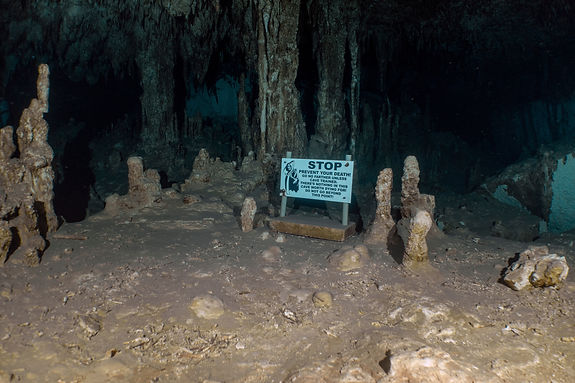
Important Cave Diving Safety Elements
Cave diving is extremely dangerous and is even more dangerous if you are not trained, certified, have proper gear, and are experienced. The information given is merely to understand all the elements that go into this dangerous activity. None of the information given should be taken literally and applied in real life.
Cave Diving is a complex activity that deals with a number of factors. Individuals need to understand depth under water, buoyancy, chemistry, and mechanics both physical, mental, and physiological. The intent of this section is to talk about some safety principles involved in cave diving. Once again this information serves only for the purpose of interest and entertainment. None of the information should be taken literally or applied. Knowing any of the information on the website does not mean and individual should go diving if they do not have everything required like i mentioned multiple times.
Cave diving Guidelines
1. Never go past the boundaries of your individual training and experience, meaning do not be overconfident in your ability.
2. Have at least 4 sources of light, as caves are dark, and you will need light to exit, a light could malfunction so it is important to have multiple back up lights.
3. Always have a guideline to the surface. If there is a pre-existing line that ends, start your own line. Never stray from the guidelines. Silt in a cave can get bad enough to where you can't see anything even your hand inches away from you. If that happens a guidelines will be your only hope of survival.
4. Understand how gas works, meaning when certain gases should or shouldn't be used. How to manage gas properly, so you have enough to enter, exit, and have enough gas even when on way back to the surface.
Other Cave diving safety elements to be aware of in regards to gear
Cave Diving requires training and knowledge about a variety of things including how to work your gear, what kind of suit you should have, what kind of air are you breathing, which is crucial depending at what depth you are at.
Nitrogen Narcosis: When you breath nitrogen, you experience nitrogen narcosis. A phenomenon described as a feeling of being drunk, caused by nitrogen buildup because of depth at which someone is breathing compressed air. When diving some people use trimix, but this requires a certification. Going past a certain depth is also prohibited unless you have the proper training.
High pressure nervous syndrome: A syndrome that affects the central nervous system, caused because of pressure.
Tri-Mix: Adding helium into a tank to reduce the risk of nitrogen narcosis, and slow down the time a tank will run. Compressed air is recommend up to 90 feet, when a diver goes deeper they must use trimix.
Disclaimer: This is a brief amount of information, cave diving is very dangerous, and hundreds of factors play a role
THIS INFORMATION IS SPECIFICALLY FOR ENTERTAINMENT PURPOSES. NEVER CAVE DIVE OR SCUBA DIVE WITHOUT THE PROPER TRAINING, GEAR, CERTIFICATIONS, AND EXPERIENCE.